
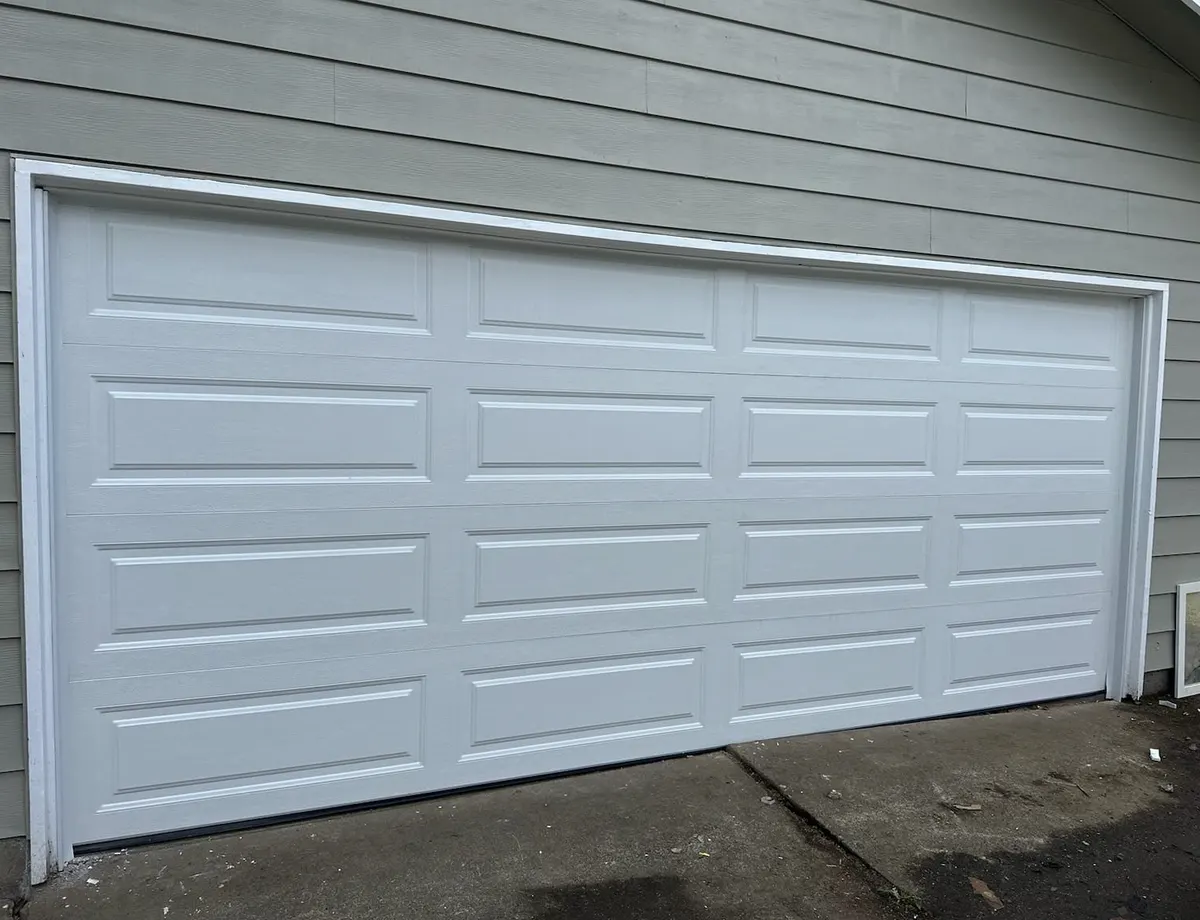
Short answer: the door doesn't retire, it just changes jobs
No, you don't get to forget about it. The garage door is still the largest moving piece of your home's exterior wall, and in a place like Mount Dora it's doing real work even if a car never touches that floor again. It keeps humidity, wind-driven rain, and heat out of a room you now sit in for hours at a time. If someone in the house is arguing that the door "doesn't matter anymore" once the cars are gone, this is the part to forward.
What actually changes when the garage becomes living space
The door's job shifts from occasional vehicle access to full-time weather barrier. A few things that used to be minor now matter a lot more:
- Sealing becomes a comfort issue, not just a dirt issue. Gaps that let in bugs and dust now let in humid air that makes a workout room feel sticky or a workshop feel damp.
- Insulation starts to matter for temperature control, especially with Central Florida's heat and humidity pushing through an uninsulated steel panel all afternoon.
- Noise and vibration from an old opener or loose track hardware become a bigger deal when someone's lifting weights or running power tools ten feet away instead of parking and walking inside.
- Springs and rollers still age on a calendar, not on usage. A door that opens twice a week instead of ten times still has springs under full tension and hardware exposed to salt air and moisture swings. Skipping maintenance because "we barely use it now" is how people get surprised by a snapped spring or a door that jumps its track.
The mistake most people make
The common move is sealing up the garage for the new room and either leaving the old door in place untouched, or disconnecting the opener and never looking at it again. Both create problems. A door left alone collects rust at the hinges and track brackets from months of humidity, and when you finally need it — storage, resale, letting a contractor haul out gym equipment — it doesn't move right. Disconnecting the opener without locking the door properly can also leave it vulnerable; an unpowered door isn't automatically a secure one.
What to actually do instead
- Keep the door on a maintenance schedule even if it's rarely opened — lubricate rollers and hinges, check the weatherstripping at the bottom seal, and watch for rust forming on springs or track hardware.
- If the room gets regular use, consider upgrading the weatherstripping and adding insulation to the panels themselves rather than just insulating the walls around the door. It's the weak point in the envelope otherwise.
- If you want more natural light in the new gym or workshop, a panel replacement with inserts is often cheaper than you'd think, and it keeps the door structurally sound for wind load, which still matters here during hurricane season even on a converted garage.
- Don't forget the opener. If you're keeping it for occasional use — pulling out lawn equipment, moving furniture — make sure it's still programmed and the safety sensors aren't buried behind new drywall or shelving.
When it's time to call Precision Garage Door of Mount Dora
If the door hasn't been touched since the conversion, or you're noticing rust on the hardware, a door that's stiff or noisy when it does move, or gaps where daylight shows around the edges, that's worth a look before it becomes a bigger repair. We offer Garage Door Maintenance & Tune-Up to catch spring wear and hardware corrosion early, and Garage Door Panel Replacement if you want better insulation, added light, or just a door that matches the room it's now attached to instead of the garage it used to be.
If you've converted a garage in Mount Dora, Eustis, Tavares, Leesburg, Apopka, Clermont, Sanford, or Sorrento and the door hasn't been dealt with since, give Precision Garage Door of Mount Dora a call. We'll tell you honestly what the door needs now that its job has changed — and settle the argument either way.